










Lower Mainland Flood Grants: Does Your Home Qualify in 2026?
Flood risk is rising in Vancouver, Richmond, Coquitlam and the Lower Mainland. Learn about floodplain maps, insurance, financing, and proven upgrades. Book PCC’s free audit.
Book a FREE assessment →
Navigating Flood Risk in the Lower Mainland: A Realistic Guide for Homeowners
Why Flood Risk Matters for Lower Mainland Homeowners
Floodplain mapping continues to reveal growing risks across Metro Vancouver. Specifically, Coquitlam faces seasonal groundwater surges, while Richmond remains vulnerable as a delta floodplain.
As of November 2025, there is no province-wide “BC Flood Mitigation Program” offering $300,000 direct grants to homeowners. Instead, the only provincial support is Disaster Financial Assistance (DFA), which applies only after a declared disaster.
According to Metro Vancouver Climate Projections, the region is expected to see a significant increase in intense rainfall events by the 2050s and 2080s compared to the 1990s baseline. Therefore, lenders and insurers increasingly expect proof that your property is resilient and insurable.
🔍 Visual Recommendation
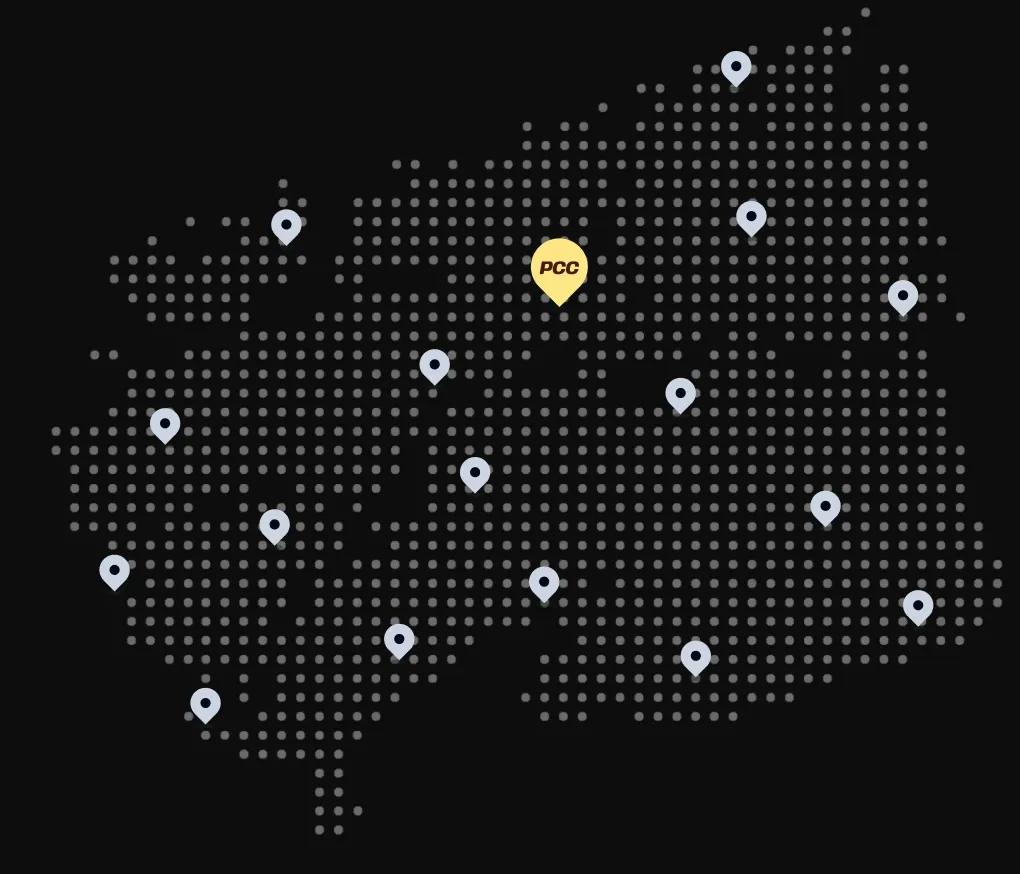
Custom Lower Mainland Flood Risk Map
(Alt text: “Map of Lower Mainland BC showing four primary flood risk zones: Tri-Cities Seasonal Groundwater, Richmond Delta Floodplain, North Shore Steep Slope Drainage, and Vancouver-Burnaby Combined Sewer Zones.”)
Design Tip: Layer official Fraser Basin Council floodplain data with municipal hazard overlays for maximum credibility.
How Floodplain Mapping Is Evolving in the Lower Mainland
Floodplain mapping is not a single release but an ongoing regional effort led by the Fraser Basin Council with provincial support.
Key initiatives include:
- Fraser River Flood Resilience Plan – Updating models for Delta, Richmond, and Surrey.
- Sea2Sky Flood Strategy – Addressing steep-slope runoff in North Vancouver.
- Municipal GIS Tools – Property-level hazard layers available online.
The most advanced public-facing tool synthesising and visualising this data is the provincial Flood Foresight Tool, which allows homeowners to visualise multiple flood scenarios at their specific address.
✅ Your Local Toolkit:
- Vancouver Sea Level Rise Viewer
- Burnaby GeoHub – Maps & Open Data
- Coquitlam GIS Portal – Environmental Layers
- Surrey MapSurrey – Lowlands & Floodplains
- Richmond Flood Protection – Dikes and Flood Management
- North Vancouver Flood Hazards
- North Vancouver Climate Change Adaptation Plan
Understanding Your Flood Mitigation Support Options
In comparison to myths about large grants, the real opportunity lies in leveraging local guidance, financing, and proactive investments.
Tier 1: Municipal Guidance & Compliance
Cities provide mapping, technical guidance, and permitting requirements. Use your city’s tool and ask:
“What flood resilience guidance, permitting requirements, or small-scale incentives apply to my property?”
🔗 Deepen Your Knowledge:
- What Are North Shore Drainage Challenges?
- What Should Coquitlam Basement Owners Monitor?
Tier 2: Home Improvement Financing
When subsidies are limited, low-interest loans bridge the gap:
- Vancity Planet-Wise Home Renovation Loan – Preferential rates for climate-resilient renovations.
- BlueShore Financial Personal Loans – Flexible terms that can be applied to resilience retrofits.
Tier 3: Proactive Investment = Equity Protection
Flood resilience is asset preservation. For example:
- A $2,500 backwater valve prevents $50,000 in sewer backup damage.
- Proper grading avoids foundation cracks that reduce resale value.
Document upgrades with photos and invoices. Build a Resilience Portfolio to strengthen insurance claims, mortgage applications, and resale value.
Tier 4: Disaster Financial Assistance (DFA) – The Last Resort
DFA is not a planning tool. It applies only after the Province declares an event eligible.
Per the BC DFA Program:
- Covers sudden, unexpected, uninsurable losses.
- ❌ Ineligible: wildfires, earthquakes, snow load, wind storms, sewer backup, water entry from above ground.
- 💰 Compensation: 80% of eligible costs above $1,000 deductible, max $400,000.
- Must apply within 90 days of event declaration.
🛑 The Cost of Inaction
📌 A Port Moody Reality Check
- Reactive Cost: $42,000 damage → Insurance: –$10,000 → Out-of-Pocket: $32,000
- Proactive Investment: $6,800 (backwater valve + drainage regrading)
“PCC’s audit found a critical grading issue in our North Van backyard we’d missed for years. Fixing it was a fraction of the potential damage cost.”
— The Chen Family, North Vancouver
What Lenders & Insurers Expect (And How to Prepare)
Therefore, homeowners should anticipate requests for resilience documentation. Proactive upgrades reduce friction during mortgage approval, insurance renewal, or resale.
Your 4-Step Path to a Dry, Secure Home
- Complete a 5-Minute Self-Inspection
- Downspouts draining 2m from the foundation?
- Cracks in foundation or basement walls?
- Battery-backed sump pump?
- Pooling water near home after rain?
- Clean, sloped gutters?
(For more on hidden leaks, see: Where Does Water Enter BC Homes?)
- Call Your City’s Engineering Department
Ask: “What flood resilience guidance, permitting requirements, or small incentives apply to my address?” - Book Your PCC Professional Vulnerability Audit
Bring self-inspection notes and a city map. PCC validates findings, prioritises upgrades, and ensures compliance. - Implement With Confidence
Use PCC’s vetted crews, financing guides, and project management to execute flawlessly.
FAQs: Truthful Answers for Lower Mainland Homeowners
Are there $300K flood mitigation grants for BC homeowners?
No. As of November 2025, the Province does not offer direct-to-homeowner grants. DFA is the main support after emergencies.
How do I know if my home is in a floodplain?
Start with your city’s official map viewer. Professional site assessments reveal micro-risks like poor grading or ageing sewer lines.
Is overland flood insurance required in BC?
Not yet. It’s optional but strongly recommended. Mitigation upgrades can lower premiums. Learn more: What Is Overland Flood Insurance in BC?
What’s the #1 upgrade I should make?
For most homes, a backwater valve on the main sewer line. It prevents catastrophic sewer backup during heavy rain.
The Bottom Line: Resilience Is a Mindset, Not a Grant
Waiting for mythical grants is a gamble. Smart homeowners act now with municipal guidance, financing, and expert upgrades.
PCC has helped hundreds of homeowners across the Tri-Cities, Richmond, and North Shore build resilience. In the past year, audits identified an average of $18,000 in preventable risk per home.
📞 Book Your Free Flood Vulnerability Assessment Today
- Call: (604) 554-0962
- Email: info@pacificcoastcontracting.ca
- Free Offer: $299 Roof + Drainage + Foundation Inspection (No obligation. Detailed report provided.)
Don’t learn the hard way. Build your resilience—the realistic way.
Related Guides
- Lower Mainland Homeowner’s Authority: BC Climate Risks, Regional Regulations & Home Protection Essentials
- BC Building Code 2026: What Homeowners Need to Know
- Atmospheric Rivers & Your Roof: A Lower Mainland Preparedness Checklist
- 5 Hidden Roof Vulnerabilities Most Homeowners Miss
- How Home Insurance Handles Wind and Storm Damage in BC

PCC
Admin